In an era where "beauty" is often synonymous with complex industrial chemistry, the potential risks of harmful skincare ingredients have never been more relevant. Achieving non-toxic skin health begins with one vital skill: the ability to read and understand a cosmetic label.
The Rise of Synthetic Complications
Recent years have seen a surge in awareness regarding the synthetic additives found in mainstream cosmetics. From chronic skin rashes and contact dermatitis to the acceleration of "photo-aging," many consumers are discovering that their skincare routine may be the very cause of their skin's distress.
Determining which non-toxic skincare products are truly safe can be a challenge. With "greenwashing" on the rise, it is crucial to move beyond marketing claims and investigate the bioactive reality of the ingredients within.
Protecting More Than Your Skin
Harmful ingredients don't just affect the wearer; they impact the planet. Microbeads in exfoliating scrubs and synthetic silicones in conditioners do not break down in our water systems. By choosing organic shower products, you ensure that your routine protects both your dermal barrier and our oceans.
4 Pillars of Choosing Safe, Non-Toxic Cosmetics
1. Recognize the "Big Four" Irritants
To ensure your routine is safe, you must actively steer clear of the most common offenders. Look for these on your labels:
- Parabens: Often used as cheap preservatives but linked to hormonal disruptions.
- Phthalates: Used to make fragrances last longer, but known for skin sensitivity.
- Sulphates (SLS/SLES): Harsh foaming agents that strip the skin's natural oils.
- Synthetic Fragrances: The leading cause of allergic reactions in skincare.
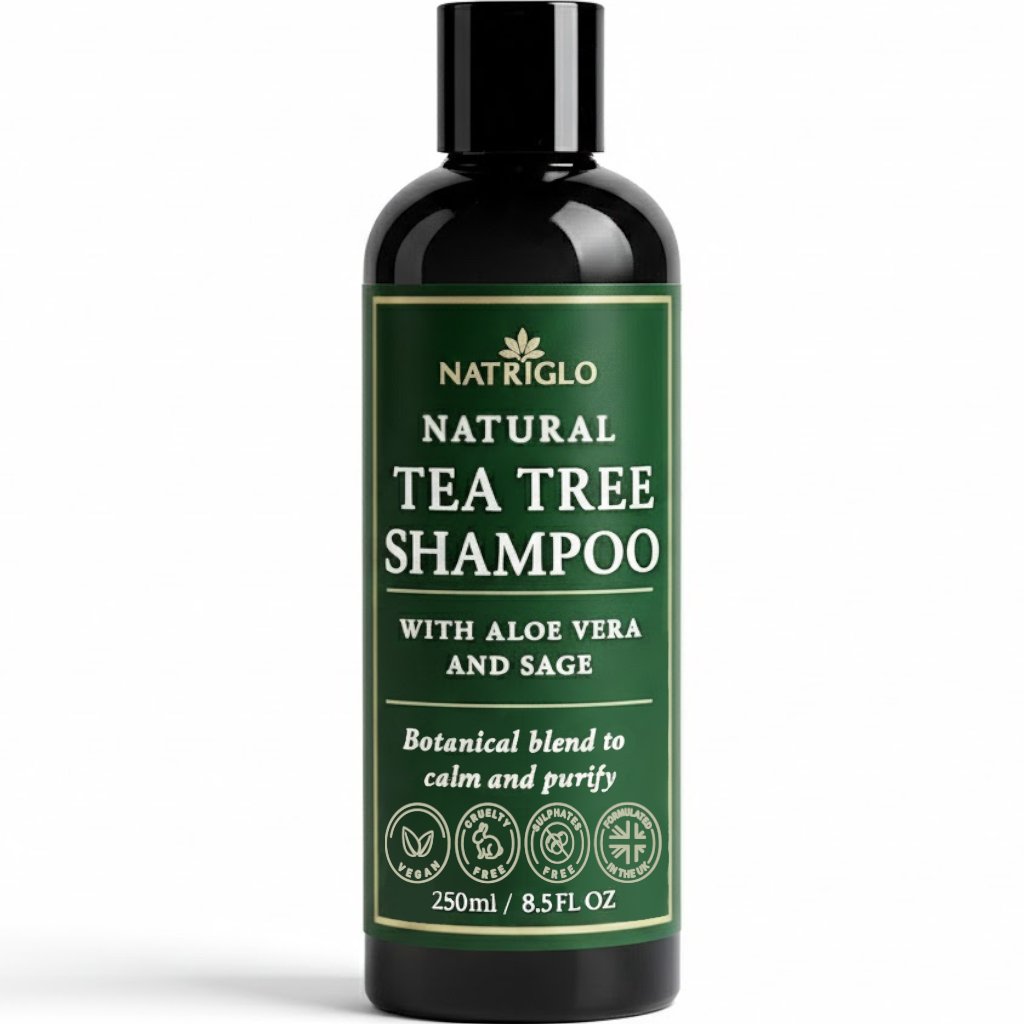
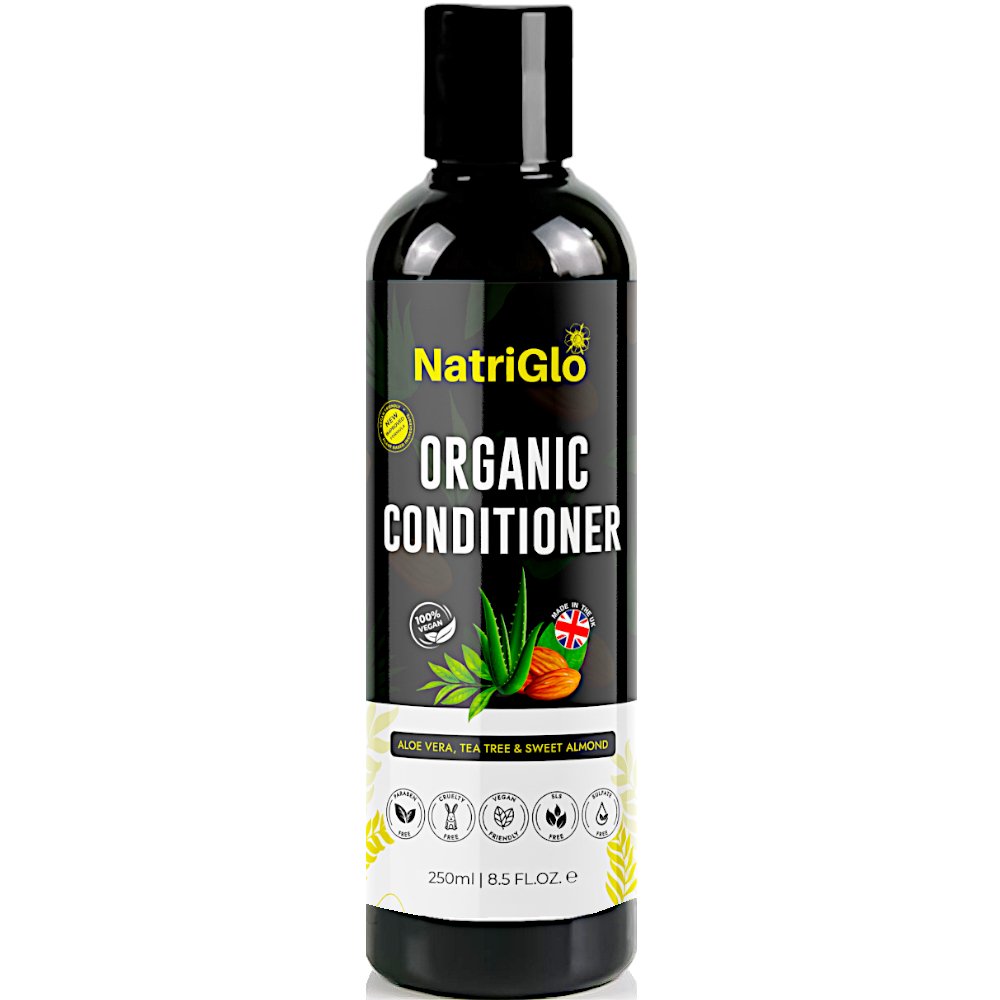
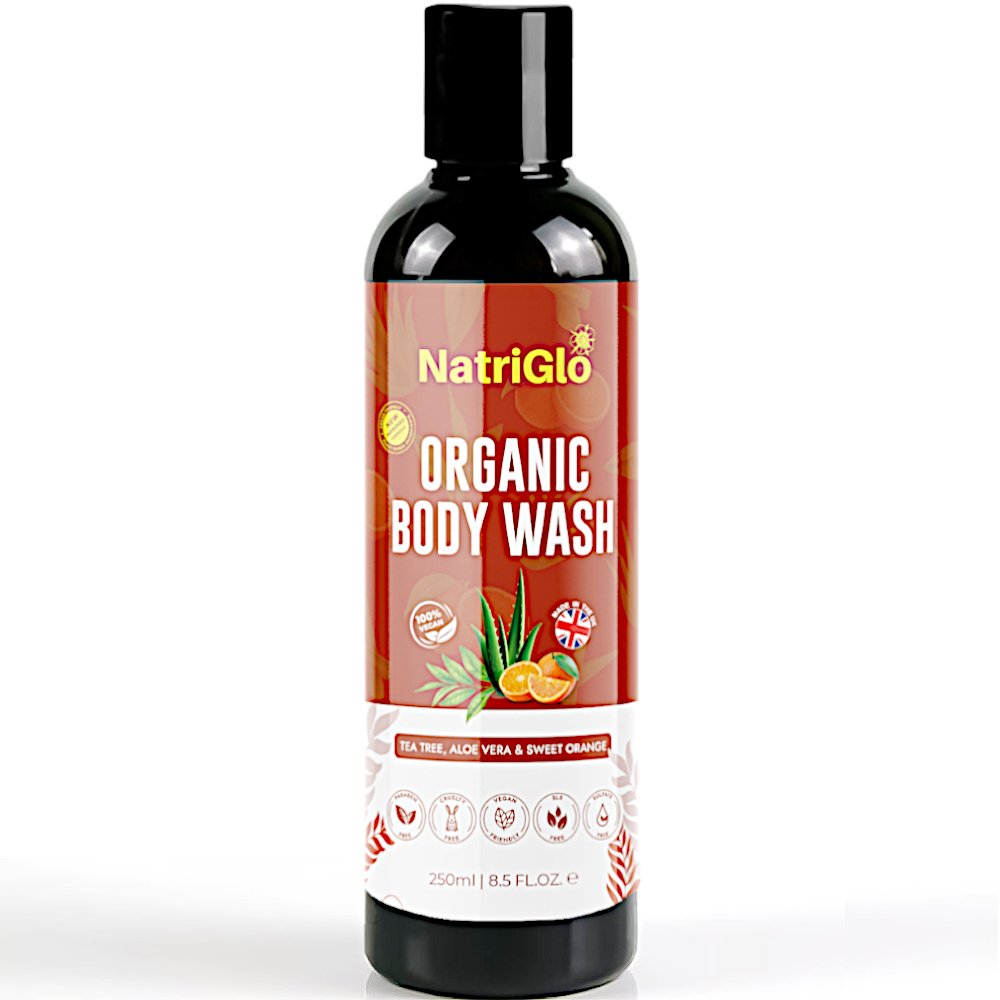
Switching to a Sulphate-free shampoo or a botanical body wash is an immediate way to lower your daily chemical load.
2. Master the Art of Label Scrutiny
Understanding the INCI (International Nomenclature of Cosmetic Ingredients) is your greatest defense. The presence of words like "natural" or "organic" on the front of a bottle is a starting point, but the back of the bottle tells the truth. Safe, chemical-free cosmetics should list recognizable plant extracts, botanical oils, and organic butters.
3. Leverage Online Verification Tools
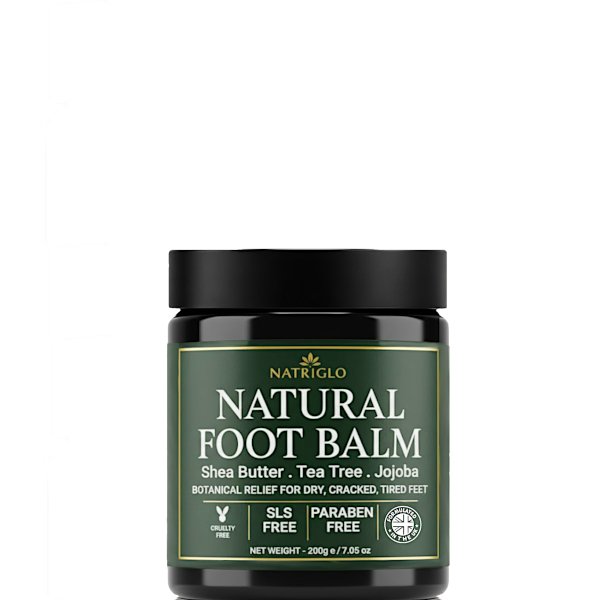
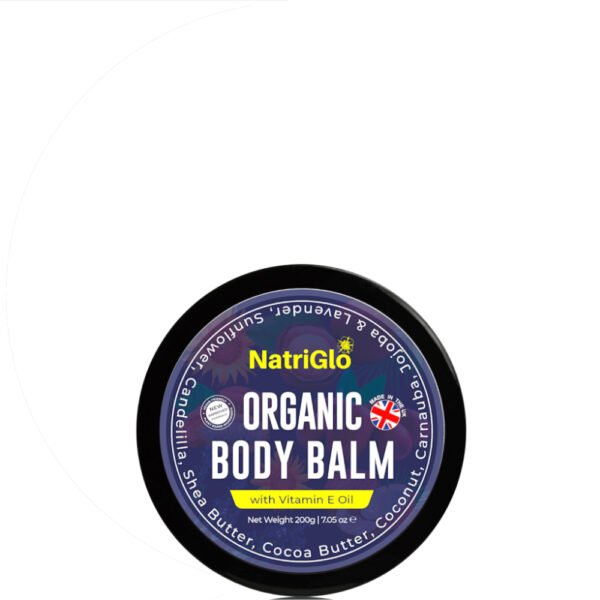
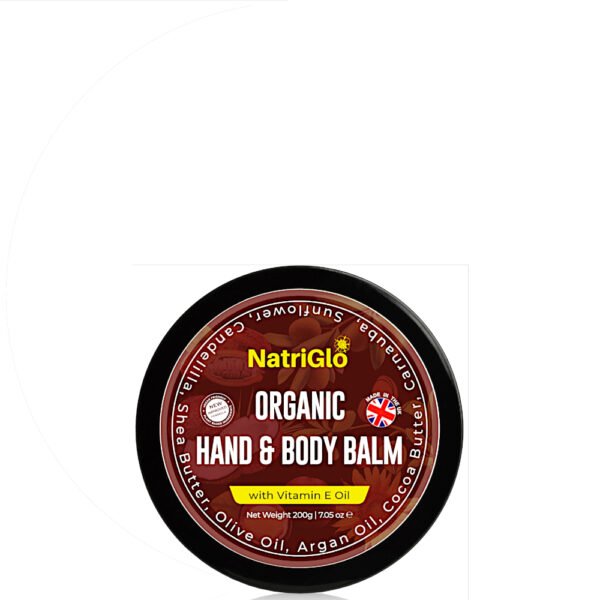
If you are unsure about a specific compound, use an online skincare toxic ingredients checker. These databases provide a list of harmful chemicals in cosmetics and explain their safety ratings. Brands like NatriGlo are dedicated to transparency, ensuring that only non-toxic, food-grade, or ECOCERT-approved ingredients make it into our safe skincare brands.
4. Deep-Dive Brand Research
Before purchasing, perform a targeted search for "Cruelty-Free Non-Toxic Makeup" or "Best natural skincare UK." Look for customer reviews specifically mentioning "sensitive skin" or "allergic reactions." A brand's commitment to safety is often reflected in their willingness to provide a full transparent ingredient list on their website.
Transitioning for Success
When removing harmful products from your routine, start with your leave-on products like an organic skin moisturizer. These stay on the skin the longest, meaning their impact (positive or negative) is the most significant.
Conclusion: The Future of Clean Beauty
The presence of toxic substances in skincare is a significant concern for both our personal health and the environment. By becoming an informed consumer, you can navigate the market with confidence. Opting for non-toxic solutions reduces your exposure to industrial chemicals and supports a more ethical, sustainable beauty industry.
Explore the full NatriGlo collection on our official shop or visit our Amazon store to read our latest reviews and join our community of clean-beauty advocates.